Social Skills in the Diversity Era
Every classroom brings together very different learners. Some build relationships easily, while others are introverted, competitive or aggressive. Some regulate their emotions well, while others struggle. Social skills can and should be taught. They help students perform better, build a solid self-image, work in teams, manage emotions and conflicts and become more empathetic.
This course trains educators to help their students develop these skills, starting with how to identify the skills each learner needs through observation, checklists, scales and other tools. Participants first work on communication and emotional intelligence: active listening and empathy, questioning, a positive classroom environment and effective interpersonal skills. They also cover self-regulation, self-motivation and social awareness. They then explore emotions and non-violent communication in class:
- strategies and approaches for emotional intelligence in the classroom
- verbal and non-verbal communication and two-way listening
- “Giraffe language”, a school project on non-violent communication
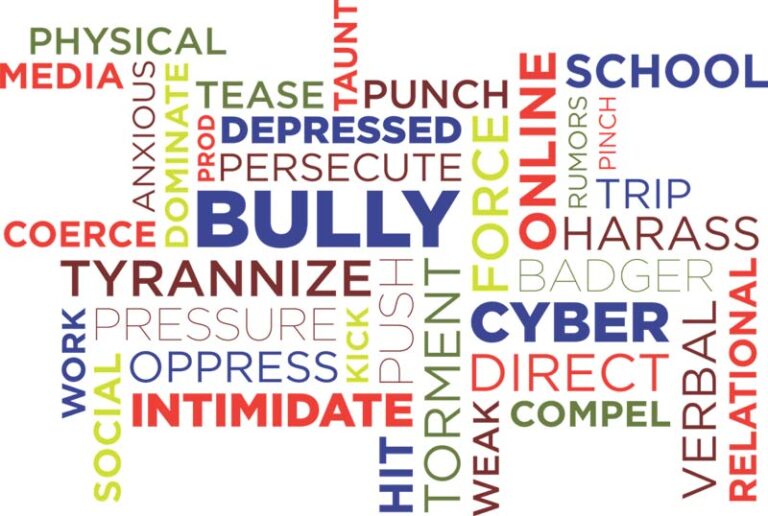
After a study visit, participants learn tools for self-esteem and self-awareness and take part in a workshop on building a democratic school community based on children’s rights. The course closes with conflict resolution and anti-bullying. Participants explore the trainer’s role as mediator through a psychodramatic approach and design a preventive anti-bullying policy action plan through a case study.
The course aims to help educators turn diversity in the classroom into an opportunity to grow students’ social and emotional skills. It gives teachers practical, experiential methods to improve communication and build empathy and self-esteem. It also helps them prevent conflict and bullying and create a democratic, respectful school community where every learner belongs. In this way the course contributes to the Erasmus+ priorities on inclusion and diversity, wellbeing in education, common values and active citizenship.
By the end of the course, participants will be able to:
- Understand different aspects of social development and identify the social skills each learner needs
- Use observation, checklists, scales and other tools to assess students’ social skills
- Use active listening, empathy and effective questioning to build a positive classroom environment
- Develop students’ emotional intelligence: self-regulation, self-motivation and social awareness
- Apply verbal and non-verbal communication strategies and two-way listening
- Use non-violent communication approaches such as “Giraffe language” in school
- Strengthen students’ self-esteem and self-awareness
- Build a democratic school community based on children’s rights through experiential, participative learning
- Promote diversity awareness through a participative, inclusive and creative approach
- Act as a mediator in conflict resolution using a psychodramatic approach
- Design a preventive anti-bullying policy action plan for their school
- Plan follow-up and dissemination activities and integrate the course into future Erasmus+ projects
Course Language
- English Note: Participants must have at least a CEFR level B1 knowledge of English in order to be able to participate actively.
Target Groups
- The course focuses on educators and youth workers who are interested in the implementation of participative, inclusive structures in their work, and who want to support children and adolescents in their social and personal development, through experiential learning.
Methods & Tools
- Social and game-based activities, examples of good practice, discussions and experience sharing, indoors and outdoors, including study visits.
Heraklion
1 week
- Coffee Breaks that include traditional products
- Guided tour of the Historical Center of the town
- Dinner in a traditional restaurant in the town
- Europass Mobility
- Certificate of Attendance, for participants who attend at least 80% of the course
- Learning agreement (upon request)
- A small gift with traditional Cretan products
- Curated list of recommended hotels
- Full day chat assistance
- Wi-Fi connection
Testimonial
A/A
LOCATION
DATE
DURATION
COST
STATUS
ENROLLMENT
HERAKLION 12 Apr 2027 1 week 560 € Open to Enrollments PreRegister HERAKLION 10 May 2027 1 week 560 € Open to Enrollments PreRegister HERAKLION 24 May 2027 1 week 560 € Confirmed PreRegister HERAKLION 05 Jul 2027 1 week 560 € Confirmed PreRegister HERAKLION 19 Jul 2027 1 week 560 € Open to Enrollments PreRegister HERAKLION 08 May 2028 1 week 560 € Planned PreRegister HERAKLION 22 May 2028 1 week 560 € Planned PreRegister HERAKLION 19 Jun 2028 1 week 560 € Planned PreRegister HERAKLION 03 Jul 2028 1 week 560 € Planned PreRegister HERAKLION 17 Jul 2028 1 week 560 € Planned PreRegister
| A/A | LOCATION | DATE | DURATION | COST | STATUS | ENROLLMENT |
|---|---|---|---|---|---|---|
| HERAKLION | 12 Apr 2027 | 1 week | 560 € | Open to Enrollments | PreRegister | |
| HERAKLION | 10 May 2027 | 1 week | 560 € | Open to Enrollments | PreRegister | |
| HERAKLION | 24 May 2027 | 1 week | 560 € | Confirmed | PreRegister | |
| HERAKLION | 05 Jul 2027 | 1 week | 560 € | Confirmed | PreRegister | |
| HERAKLION | 19 Jul 2027 | 1 week | 560 € | Open to Enrollments | PreRegister | |
| HERAKLION | 08 May 2028 | 1 week | 560 € | Planned | PreRegister | |
| HERAKLION | 22 May 2028 | 1 week | 560 € | Planned | PreRegister | |
| HERAKLION | 19 Jun 2028 | 1 week | 560 € | Planned | PreRegister | |
| HERAKLION | 03 Jul 2028 | 1 week | 560 € | Planned | PreRegister | |
| HERAKLION | 17 Jul 2028 | 1 week | 560 € | Planned | PreRegister |
Related courses

Child Sexual Abuse

Inclusive Education for All

Intercultural Education